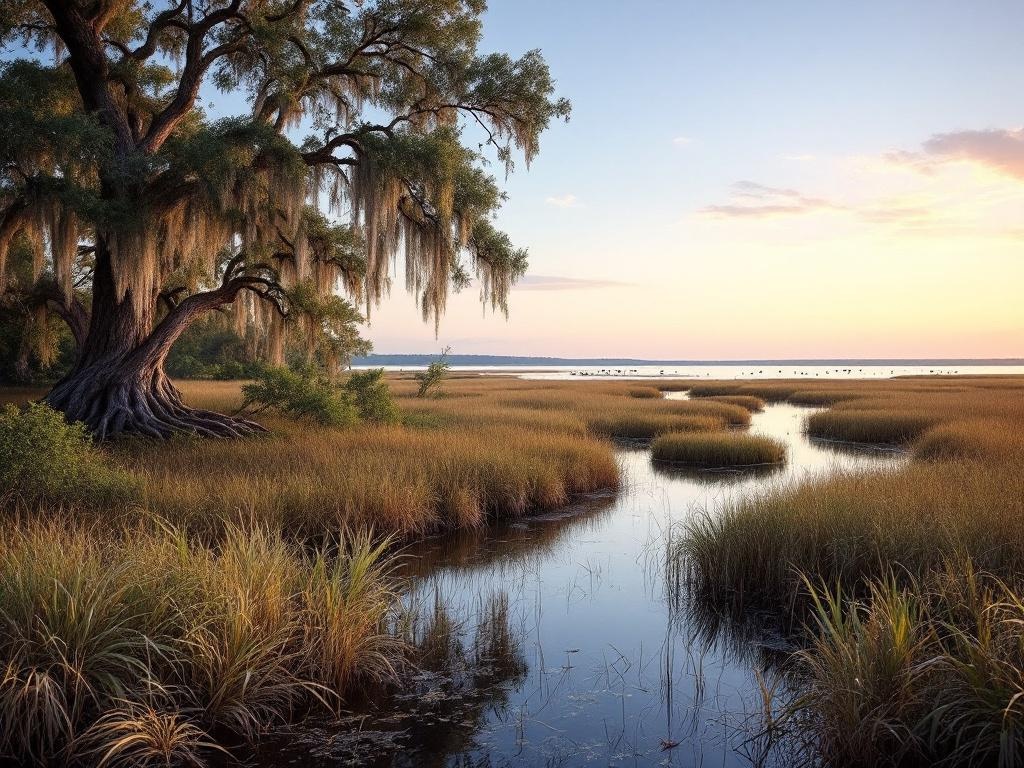
Open Sound and Intracoastal Waterfront
Properties facing the Calibogue Sound and the Intracoastal Waterway sit in the most demanding dock-building environment on Hilton Head. Wind-driven waves, boat wakes from ICW traffic, and direct hurricane exposure apply lateral forces that test every connection in the structure. Docks here require heavier framing, closer pile spacing, and, for most homeowners, concrete-encapsulated pilings that resist both storm surge and the marine borers active in the warm open water.
After Hurricane Matthew in 2016, we assessed docks along the sound from Windmill Harbour south through Long Cove. The pattern was consistent: structures with concrete pilings and stainless hardware held. Those with timber pilings and standard fasteners sustained the worst damage. Storm history shapes every specification we write for open-water installations.
Windmill Harbour: Deepwater marina access and sound-front homesites with significant tidal and wave exposure. The community's architectural review standards are among the island's most detailed.
Long Cove: Private club community on the southern end with direct Calibogue Sound frontage. Building here means coordinating with the club's architectural committee and accounting for strong tidal currents at the sound's narrowing.
Sea Pines sound-front: The western edge of Sea Pines faces the Calibogue Sound directly. Sea Pines requires pre-approval from its architectural review board before county permit filing begins, adding a step that unfamiliar contractors often miss.
Protected Creeks and Marsh Access
Broad Creek, the tidal creeks threading through Palmetto Dunes, and the marsh cuts behind Shelter Cove offer calmer water with less wave action. The bottom conditions create their own challenges. The pluff mud that characterizes Lowcountry marshes provides poor resistance for pilings. We routinely drive piles fifteen to twenty-five feet deep on these sites to reach adequate bearing capacity.
Tidal range still matters here. Even in protected creeks, the water drops six feet or more between high and low tide, exposing mud flats and stranding boats at docks built to the wrong height. We calculate dock elevation for your specific creek's tidal behavior, not a generic island average.
Palmetto Dunes: Interior lagoon and creek-side properties with relatively calm water. The community's architectural guidelines govern dock design, materials, and placement. Most installations here use standard treated timber pilings; the protected setting doesn't demand the premium of concrete.
Shelter Cove: Harbour-area properties with a mix of commercial and residential waterfront. Dock designs here account for marina traffic and the wake patterns it generates in the confined harbor.
Broad Creek residential: Scattered homesites along Broad Creek and its tributaries. These are often unincorporated properties outside plantation governance, which simplifies architectural review but still requires county and DHEC-OCRM permitting.
River and Mainland Waterfront
Across the bridge, the mainland Lowcountry offers waterfront along rivers and tidal creeks with conditions distinct from Hilton Head's sound and marsh frontage.
Bluffton and the May River: The May River runs cleaner and cooler than Hilton Head's enclosed waterways, with sandier bottoms in some reaches that change piling installation methods. Communities like Berkeley Hall, Colleton River Plantation, and Belfair include waterfront lots where dock construction is either part of the initial build or a later addition. Historic Old Town Bluffton properties may face additional preservation review for visible waterfront structures.
Beaufort and Lady's Island: The Beaufort River carries commercial and recreational traffic along the city's historic waterfront. Downtown properties involve architectural review requirements that respect the city's history, while newer developments on Lady's Island offer more straightforward permitting. Environmental review applies to all marine construction in Beaufort's critical coastal zone.
Okatie and the river corridor: Emerging developments west of Hilton Head along the river system. Newer construction with growing demand for residential dock installations.
Island and Remote Access
Daufuskie Island sits across the Calibogue Sound, accessible only by boat. Materials arrive by barge, crews work extended shifts to minimize boat transport, and project timelines run longer than comparable mainland builds. The waterfront conditions mirror Hilton Head's: same tidal exposure, same saltwater environment, same engineering requirements.
We've completed new dock installations and repair projects in Haig Point, Melrose, and Bloody Point communities on Daufuskie. The extra planning is worth it for homeowners who need marine construction done right on an island where second chances mean another barge trip.
See what we can build for your waterfront. We work throughout the Lowcountry from Beaufort to Daufuskie.